Research
One question connects our work: how do changes in biological systems shape human health and intelligence, and how can we predict and improve their consequences? We study this across scales, from genes and cells to organs, neural activity, and cognition.
From biological change to human function
Our research connects mechanisms across scales. AI helps turn these connections into predictions that can be tested and refined.
ONE SHARED GOAL
Understand and improve human function
Human health · Cognition · Human capabilities
01 · BIOLOGY
Genes to function
Genes · Cells
Tissues · Organs
Function & disease
02 · INTELLIGENCE
Brain to cognition
Brain activity
Behavior · Cognition
Intelligence in health & disease
Shared molecular and cellular mechanisms
03 · AI FOR SCIENTIFIC DISCOVERY
A shared discovery and validation cycle
MeasureModelPredictTest
Models guide experiments; new evidence refines the models.
Biological function and disease
How do genes and cells shape biological function in health and disease?
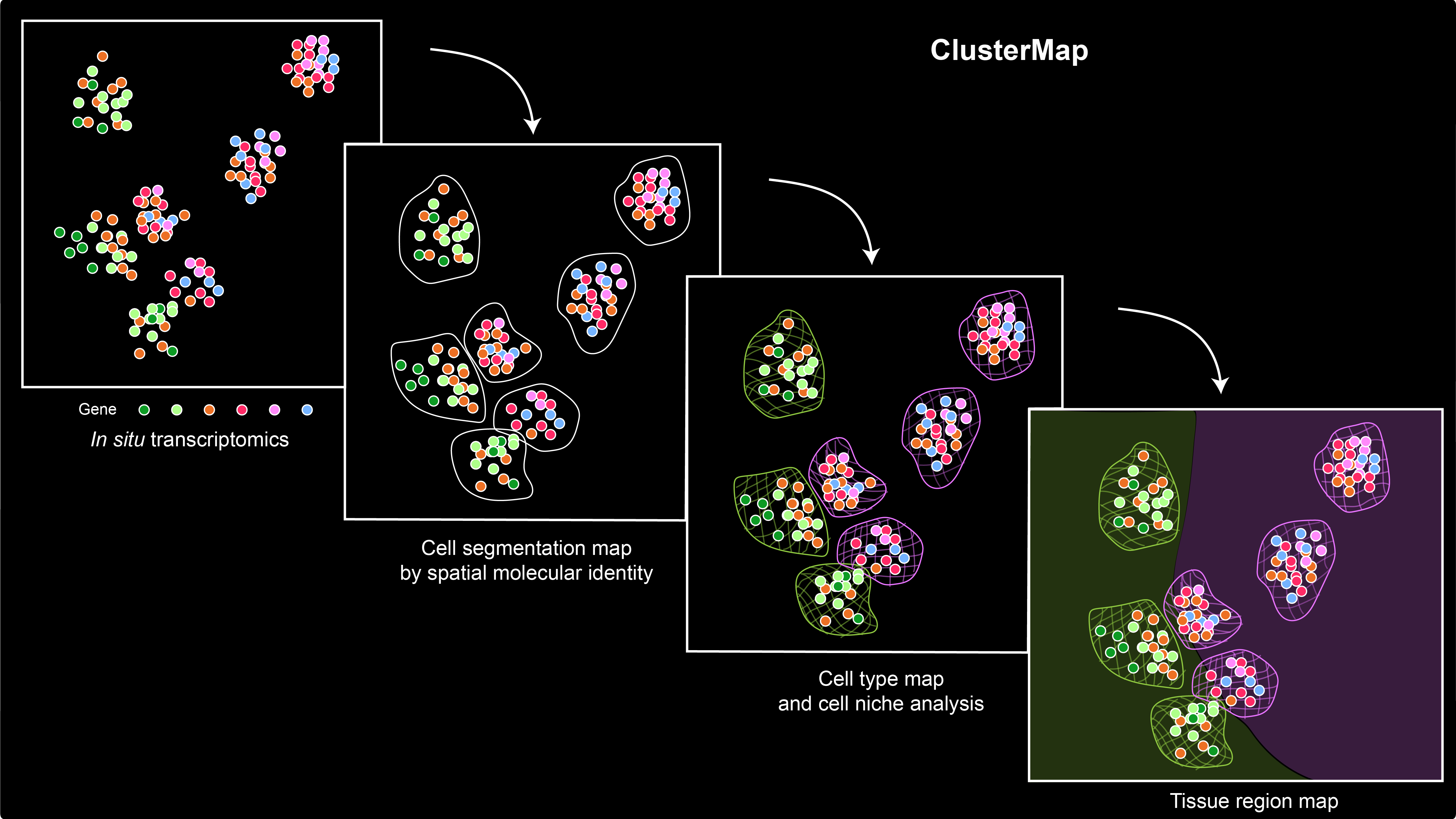
How a gene acts depends on the cell, tissue, and organism in which it operates. We aim to uncover how genetic variation, gene regulation, and spatial organization work together to produce biological function, and how disruptions lead to disease. Cross-organ comparisons provide a starting point for identifying shared mechanisms and context-dependent responses.
We build spatial and multimodal foundation models to connect molecular measurements with cellular states and tissue function. By integrating perturbation data with causal modeling, we seek to predict the functional consequences of genetic and regulatory changes. Our initial focus on mechanisms linking brain and metabolic disease connects this work directly to our research on brain function and cognition. Experimental collaborations help test and refine these predictions.
Key words
Spatial & multimodal AI; gene-to-function modeling; cross-organ spatial models; perturbation biology; perturbation-response prediction.
1 / 2
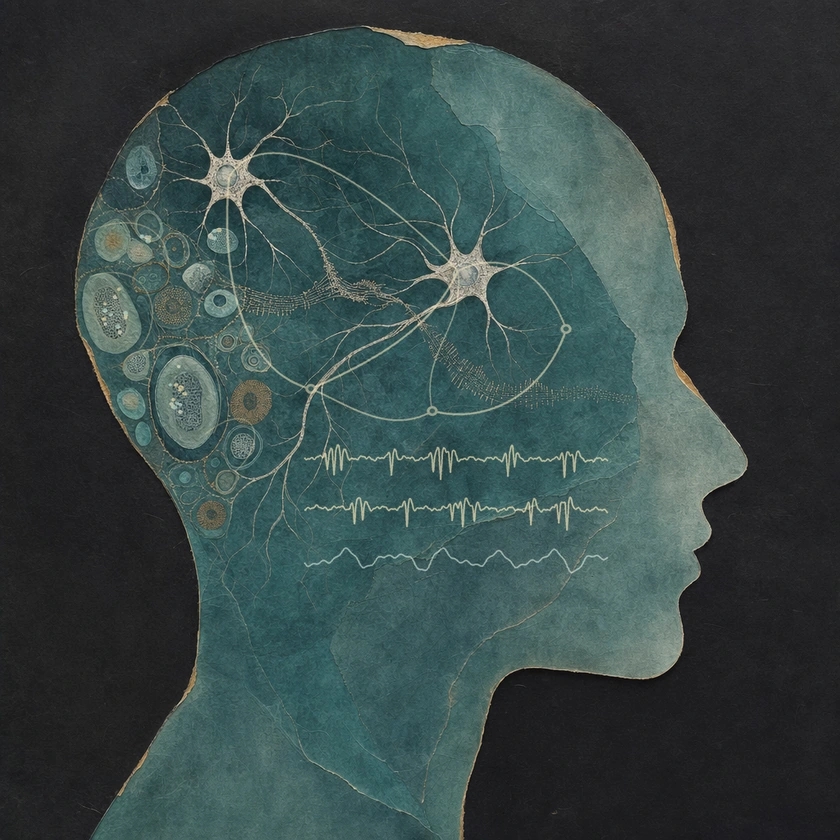
The biological basis of intelligence
How do molecular programs and neural circuits give rise to cognition and intelligence?
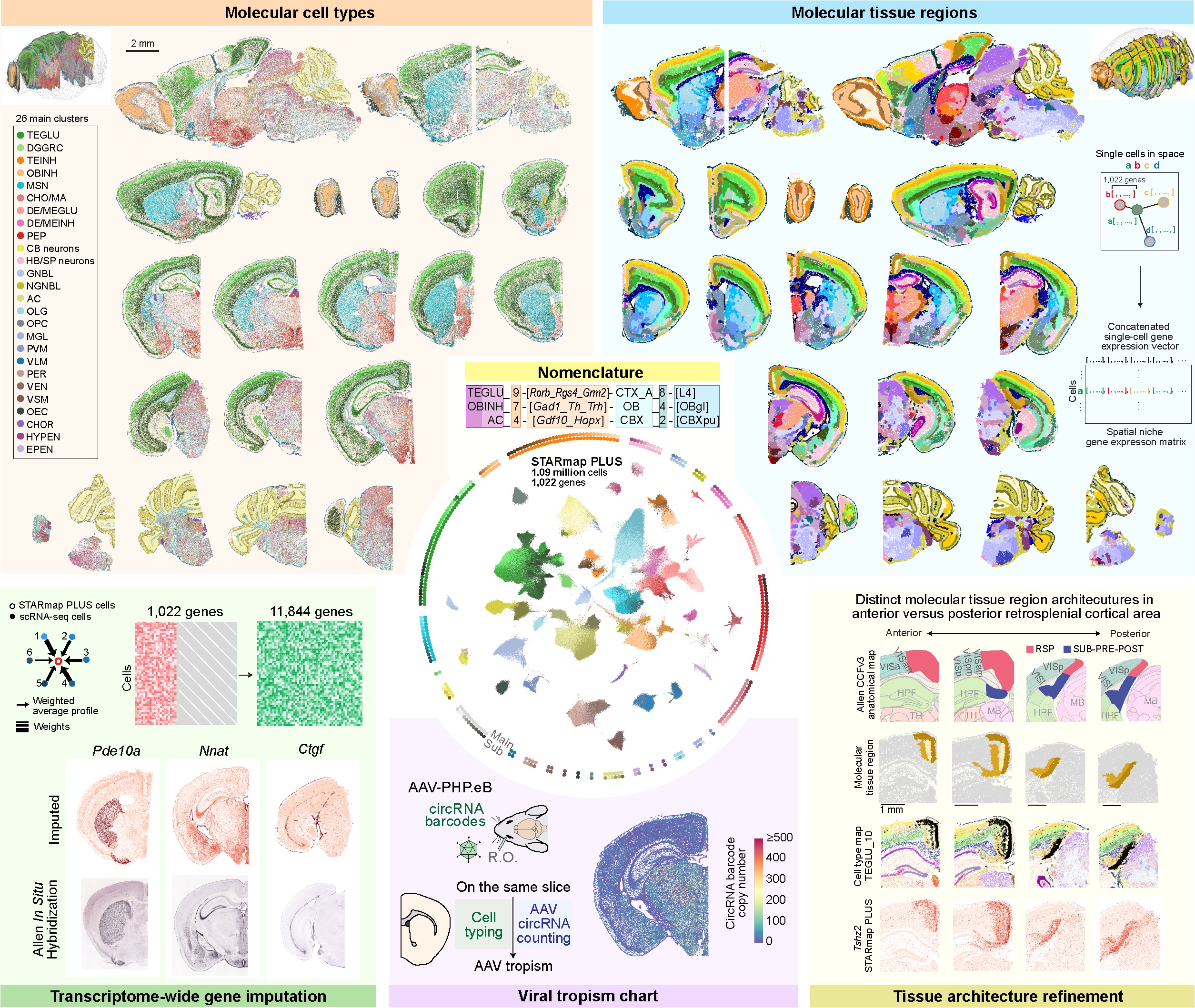
Brains combine molecular diversity, spatial organization, and dynamic neural activity. We ask how these biological features work together across scales to support learning, cognition, and social behavior. Comparing brains across species and disease helps us identify shared principles and differences relevant to human intelligence.
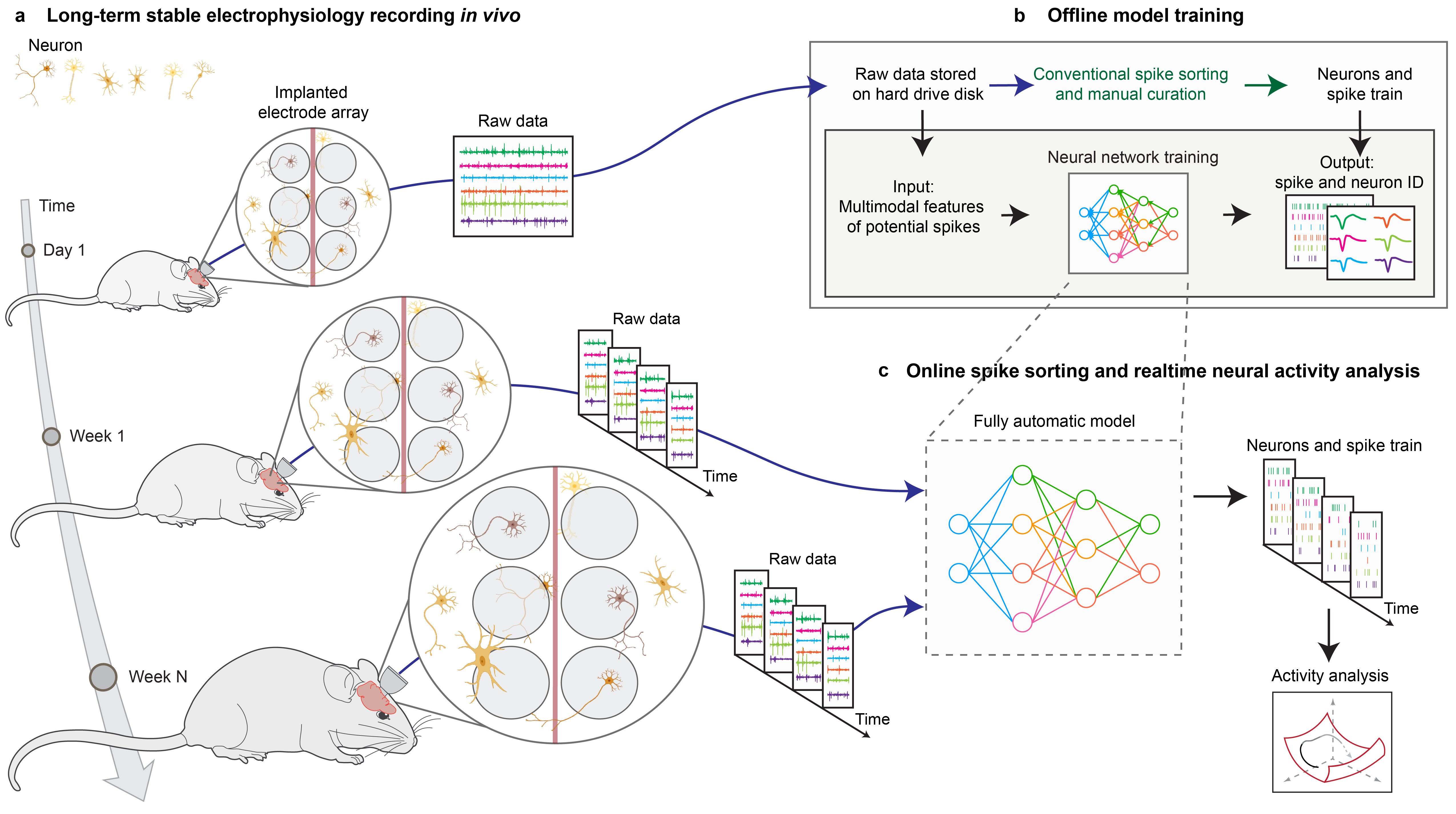
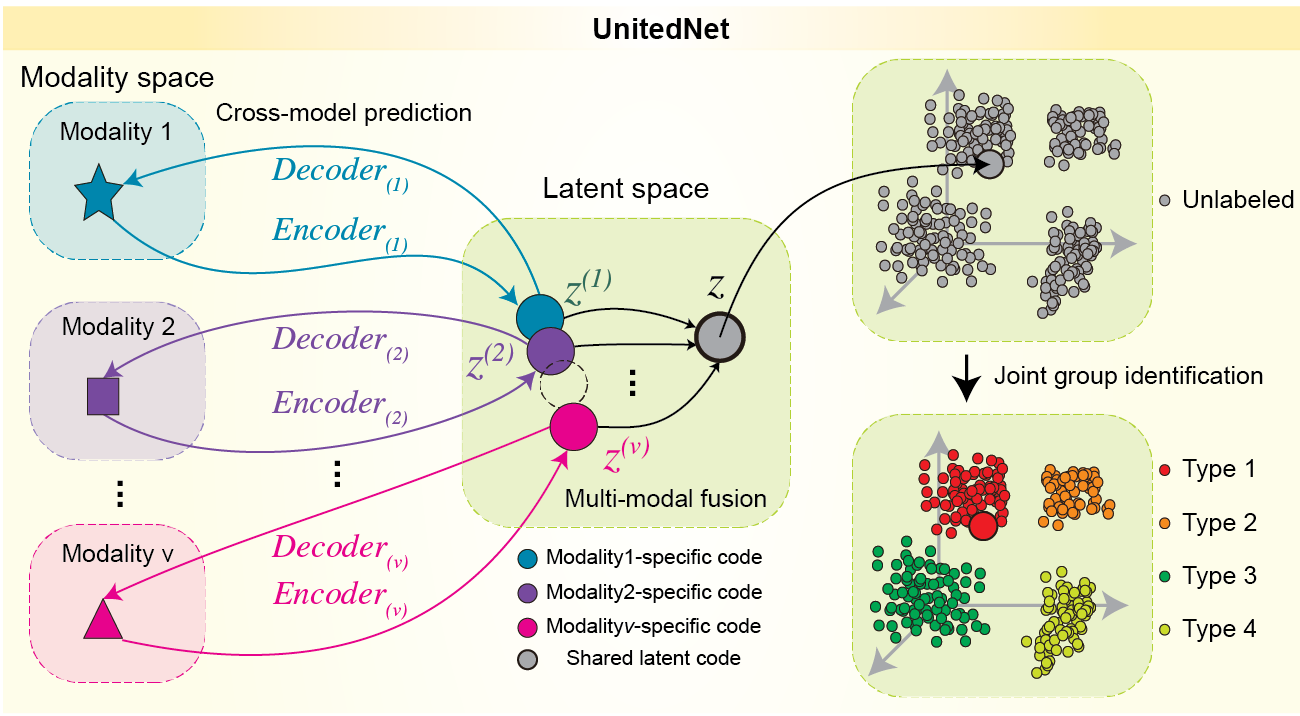
Building on our work in spatial brain atlases, multimodal learning, and long-term neural decoding, we develop models that integrate molecular profiles, spatial maps, and neural recordings. We seek to connect cell identity and location with circuit dynamics and behavior, and to generate predictions that experimental collaborators can test. Our long-term aim is to inform approaches that preserve and improve human cognitive function.
- Molecular identityGenes & cell types
- Spatial organizationCells within tissue
- Neural activityDynamics over time
Multimodal brain modelsConnect cell identity, location, and dynamics
Circuit function · Cognition · Social behavior
Compare across species and disease. Test predictions with experimental collaborators.
Key words
Multimodal brain models; cell-to-circuit relationships and connectivity; neural dynamics; cognition and social behavior across species and disease.
1 / 2
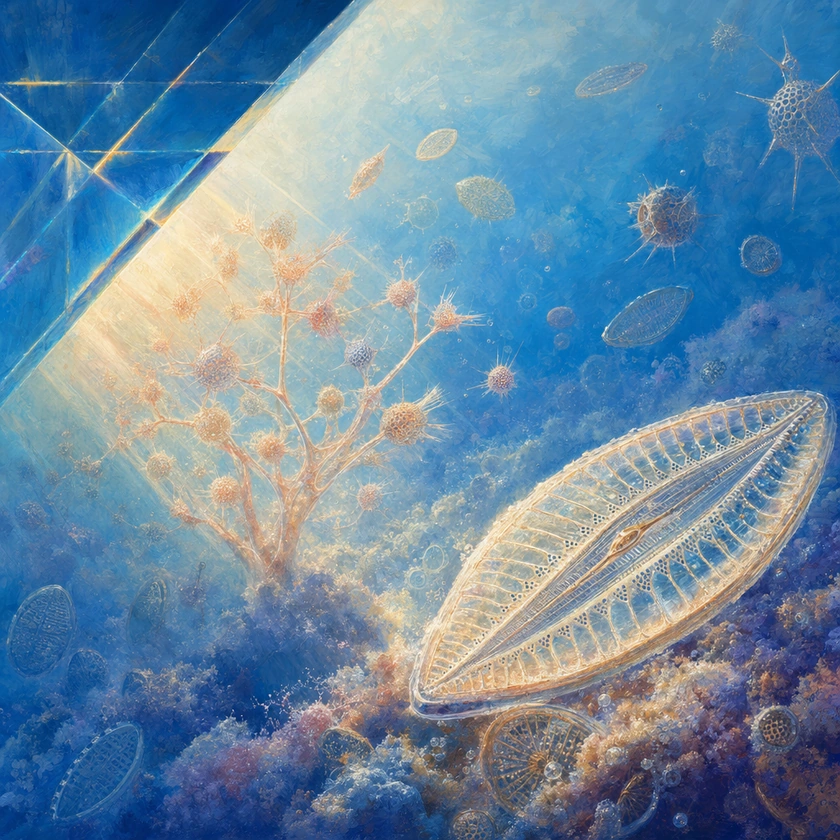
AI for scientific discovery
How can AI expand our ability to understand biology and intelligence?
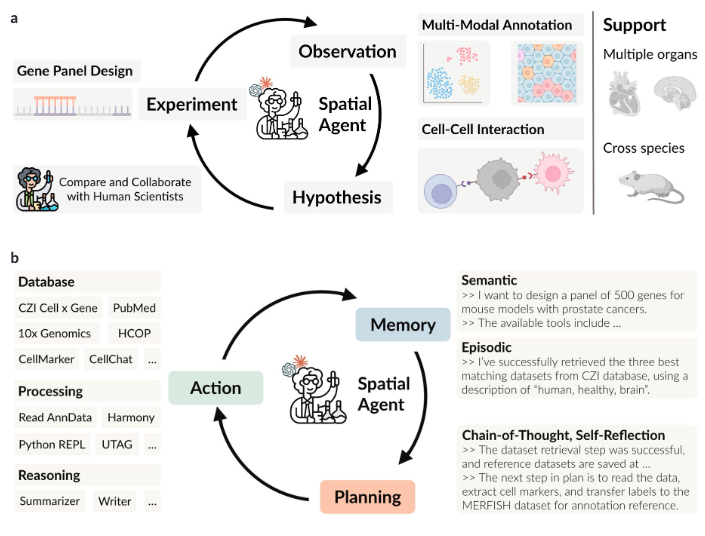
Scientific AI is the shared discovery framework for our work in biology and intelligence. We build agents that bring together molecular data, brain atlases, analysis tools, and literature to help researchers formulate hypotheses, identify informative perturbations, and design experiments.
Building on SpatialAgent and FuseMapAgent, we aim to connect measurement, modeling, prediction, and experimental testing in an iterative process. Evidence from both scientific directions can improve shared models, while the models help choose what to investigate next. Our goal is to extend human scientific capabilities while keeping reasoning traceable and predictions testable.
Key words
Scientific agents; revealing hidden biological structure; hypothesis generation and experimental design; human–AI reasoning.
1 / 2
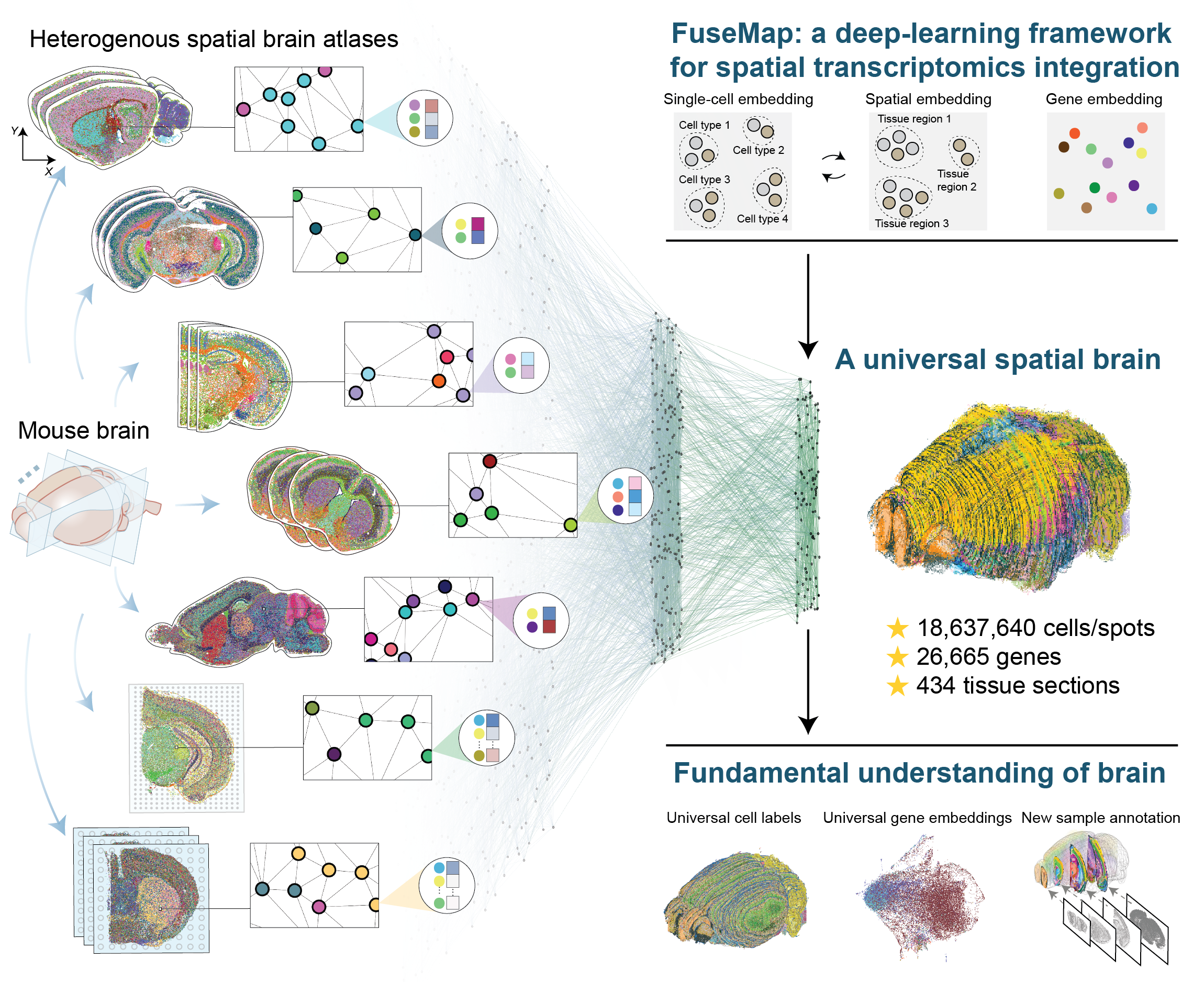
Nature Methods · Accepted, 2026
An agentic AI spatial molecular foundation model of the brain